

Reviewed · ALNWICK & NORTHUMBERLAND TOURS FROM EDINBURGH
Hadrian’s Wall & Roman Britain 1-Day Tour from Edinburgh
Hadrian’s Wall feels closer on this day trip. You get an 11-hour Roman Britain route from Edinburgh that links the border country to Hadrian’s Wall walking time, plus museum stops at Vindolanda and a strong set of frontier viewpoints.
I like the way the day mixes big, famous remains with human scale details you can actually picture. Museum artifacts bring the frontier to life, and border geography stops like Carter Bar help the story feel real, not textbook.
The main thing to plan for is a long day with chilly conditions and some walking. And if you are prone to car sickness, the day’s roads can feel bumpy, so build in comfort where you can.
Quick hits on Hadrian’s Wall and Roman Britain from Edinburgh
- Vindolanda Roman Army Museum entry is included, and the finds are the kind that make Roman walls feel personal.
- Steel Rigg gives you time to walk beside Hadrian’s Wall and sense what isolation meant for soldiers.
- Birdoswald Fort is part of the plan, and it’s one of the better-preserved Roman forts you can visit on this route.
- Jedburgh Abbey adds a medieval counterpoint, with a short walk through town streets to the Augustinian ruins.
- Moffat is the reset stop, with a break in the Victorian spa town and a local toffee you might want to try.
Why this 11-hour Hadrian’s Wall trip works from Edinburgh
This is a classic “do the big stuff” day trip, but it doesn’t just skim famous names. You start in Edinburgh, then spend the day in Northumberland and the Scottish Borders, moving through border towns and frontier remains on one continuous loop. That matters if you only have a day to spare and you want a coherent story from wall to museum to fort.
At $56 per person (for an 11-hour outing), the value comes from what is bundled in. You get transportation, an experienced driver-guide, and entry for Vindolanda Roman Army Museum (with an important winter swap covered later). Meals are not included, but you are paying for a whole day of guided logistics and museum access, not just a quick photo stop.
This is also a small-group style experience. While group bookings are limited to a maximum of 8 passengers per booking, overall small-group tours can run up to 16 participants. That usually means more off-the-bus time, fewer “hurry up” moments, and a better chance to ask questions.
Meeting at Edinburgh Bus Station, Gate J and Gate K
You meet your guide at Gate J and Gate K inside Edinburgh Bus Station (St Andrew Square, EH1 3DQ). If you like getting oriented fast, this is a straightforward meeting point in a central location, not some remote pickup.
The day starts early enough that you will feel like the bus is your warm-up, not your main activity. Once you are underway, you are guided from site to site with commentary while the scenery and countryside roll past outside. In practice, this is the part of the day where you can settle in, even if the roads later get windy.
Straight onto Dere Street and the Scottish Borders feel
After departure, you head south through border country along the path of Roman Dere Street, a road that ran through what is now Northumberland. The point of this opening section is not speed, it is context. You are learning how the Romans pushed roads and control lines into a landscape that was still very much contested.
The route brings you through the Scottish Borders area, where today it looks peaceful, but the history around it was often tense. Abbey ruins, small towns, and rolling hills set the scene for a border that changed hands and saw skirmishes for centuries.
In the car, this is also where your guide’s tone makes a difference. Many of the guides leading these departures have mixed clear facts with humor and patience, and the bus time becomes part storytelling, part Q and A. If you end up with someone like Jim Scott, Alex, Sean, Bryan, or Kenny on your date, you are likely to get energetic explanations and a steady rhythm through the day.
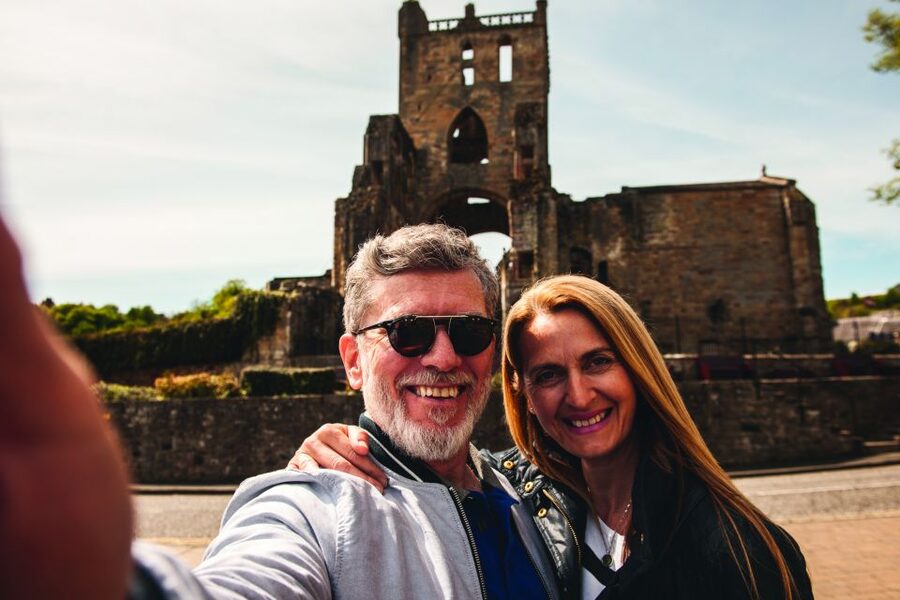
Jedburgh Abbey ruins and a walk through narrow town streets
Jedburgh is your first proper historical stop. It is a border town where the 12th-century Augustinian Abbey dominates the skyline, and you get a chance for a short walk through the peaceful narrow streets before heading toward the ruins.
This is one of those stops that makes your wall day feel larger than stone. You shift from Roman frontier control to medieval religious power, and you start seeing how borders shaped communities long after the empire withdrew.
Photo time is built in, but the best use of Jedburgh is slow looking. The ruins are tall enough that you can appreciate scale, and the town streets give you a sense of daily life around the monument. Bundle up because even when the town looks calm, the air can cut through once you stop moving.
Carter Bar and Cheviot Hills: where the border story continues
Next you have a photo stop at Carter Bar at the edge of the Cheviot Hills. Carter Bar sits on the edge of the Scotland and England boundary, and the key detail here is the continuity. The crossing point follows the ancient Roman road and has marked the border for around 700 years.
This is not just a scenic pause. It is a chance to connect the dots between what the Romans were doing and what later generations turned into an actual boundary. You are basically standing in a place where layers of history line up.
If your guide points out the Roman road logic, take it seriously. It makes the later wall stops easier to follow, because you start understanding the “why” of positioning, not just the “what.”
Steel Rigg and your walk beside Hadrian’s Wall
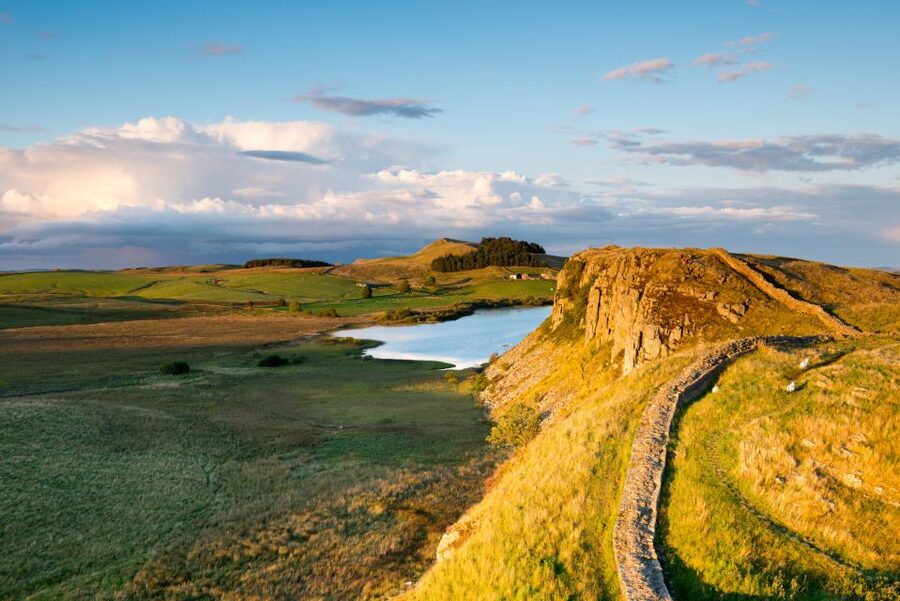
Steel Rigg is where you start to feel the wall as a lived barrier. You get time to walk beside Hadrian’s Wall, and that walk is the emotional core of the trip.
Your guide will set the stage with how the Romans guarded the north and how isolation factored into frontier life. It is a simple walk, but it lands because you are on the line where you imagine watch, patrol, and long stretches with little in the way of relief.
This is also where the weather matters most. Even in warmer months, the air can feel harsher near the wall. People in colder seasons have warned about wind and getting cold, so I recommend dressing for a long outdoor stop, not just a quick look.
Vindolanda Roman Army Museum: daily life inside the frontier
Vindolanda is often the highlight for first-time visitors, and for good reason. You visit the archaeological site and the Vindolanda Roman Army Museum, and the experience is about everyday details, not only big engineering.
You are seeing artifacts uncovered through years of excavation, including shoes and jewellery, plus bones and pottery. That mix is important. It nudges your brain away from the idea that Roman Britain was only soldiers and monuments. It also forces you to picture meals, routines, and the messiness of real life.
If you are travelling in winter, there is an important adjustment: Vindolanda is closed yearly during January and part of February. In that case, you visit Housesteads Roman Fort instead. That swap keeps the wall theme going, and it still gives you the feel of Roman military settlement life, just in a different location.
From the style of guides who have led these departures, you can also expect answers and patient explanations. Names that have come up in recent departures include Jim Scott, Alex, Sean, and David, and the consistent theme is that your guide tries to answer questions clearly and keep the day moving without rushing your museum time.
Birdoswald Fort: why this Roman fort is worth your attention
Birdoswald is listed as one of the best-preserved Roman forts you can explore on this route, and it earns that reputation through what you can still picture on site. When a fort is well preserved, you get a better sense of layout, not just fragments.
On this tour, you get time for sightseeing and walking around the fort area. This is one of those stops where the guided framing helps. Your guide can point out what you are looking at and how the fort fits into the larger Hadrian’s Wall system.
If you like architecture, think in terms of control and logistics: where people would have lived, where they moved, and how a fort supported the watch along the wall. Even if you are not a Roman-brained person, the layout can still click fast when you are standing in the right place.
Lanercost village and the western gateway to the wall
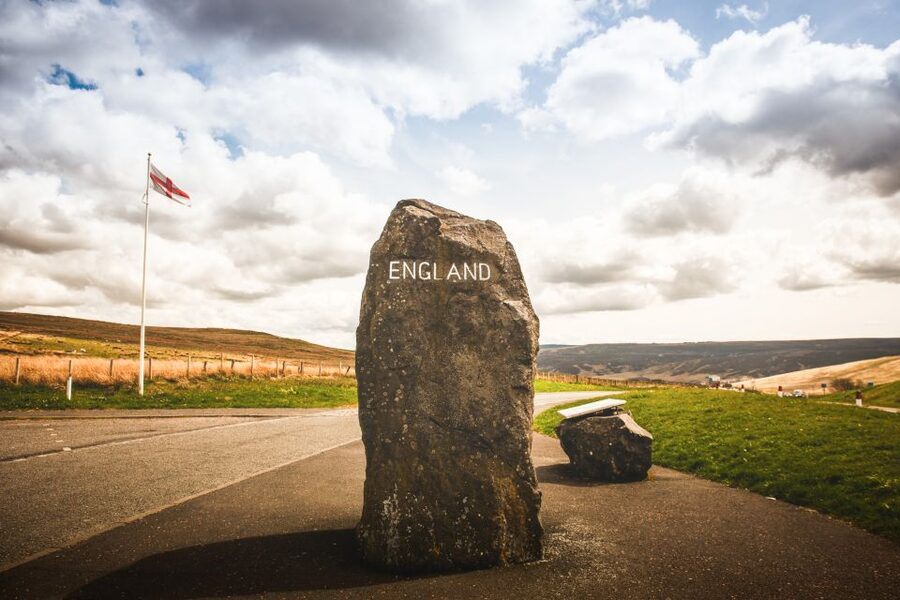
On the western side of your day, you stop in the village of Lanercost, described as the western gateway to Hadrian’s Wall. This kind of stop might sound small compared to wall ruins and museums, but it helps your brain connect the dots.
Why a village stop matters: it gives you a “human scale” moment. Instead of only thinking about Roman military infrastructure, you can picture how communities grew in the shadow of those remains. It also gives you a slower breath in the schedule, which you will appreciate by the later hours.
If the day is windy, this is also where you might want to time your photo shots and then get moving. Small villages can feel exposed outdoors, and you do not want to lose time standing still when your fingers are getting numb.
Moffat spa town break and the toffee moment
Your route brings you back toward Edinburgh with a short break in the Victorian spa town of Moffat. Moffat attracted visitors in the 18th and 19th centuries for mineral springs, so even if you are not seeking spa water today, you get a taste of a town built around health tourism.
Moffat is also famous for Moffat toffee, known for its buttery flavor and chewy texture. Since meals are not included on the tour, this stop is also useful for grabbing a snack or something warm, then resetting your energy before the final drive back.
This break is a smart pacing tool. After wall walking and fort visiting, your body wants a small pause, even if you wish the day could keep going.
Group size, pace, and the real walking count
Even though it is a bus trip, the experience is not a sit-and-stare day. There are multiple stops with walking time, including wall walking and museum time.
In some recent departures, people have mentioned hitting around 15,000 steps. That does not mean you will suffer, but it does mean comfortable shoes are not optional. If you plan to wear dressy footwear, change that plan now.
The pace also depends on weather. In colder months, wind can add effort quickly. Guides have kept things on track for timing, but you should still expect that outdoor segments might feel longer when you are cold.
And yes, comfort matters. Some people have noted leg room differences on the bus. If you are tall or have mobility issues, it is worth arriving early so you can choose a seat that feels good for the long ride.
Guides on the bus: humor, Q and A, and steady storytelling
One of the most praised parts of this tour is how the guiding lands. Many recent departures were led by guides such as Jim Scott, Alex, Sean, Bryan, Kenny, Martin, Nathan, David, Kevin, and Kieran. Across these names, the common strength is an energetic approach that makes Roman Britain feel understandable.
What you can look for in a good guide moment:
- Clear explanations that help you picture Roman life.
- Humor and Scottish music or jokes that keep the long drive from feeling tedious.
- Patient answers when you ask questions mid-route.
I also like how some guides build in small off-the-plan stops or added context when time allows. The day feels less like a checklist and more like a guided circuit through places connected by one theme.
Price and value: what $56 buys on a Roman Britain day
You are paying for more than a ride. At $56 per person, the included items are key: Vindolanda and Roman Army Museum entry (or Housesteads when Vindolanda is closed), transportation, and an experienced driver-guide.
Meals and refreshments are not included, so you will want to plan for buying snacks or a hot drink at stops, especially around Moffat. But the value equation stays strong because admission and guide time are built into the ticket.
If you were trying to DIY this, you would still face driving time between dispersed sites, plus the challenge of knowing what to prioritize. On this tour, you get a planned route, guided context, and enough time at the major sites that you can actually see them.
Should you book Hadrian’s Wall & Roman Britain from Edinburgh?
I think you should book this trip if you want a single-day way to see Hadrian’s Wall, the Roman frontier story through Vindolanda, and at least one of the best-preserved forts such as Birdoswald, without spending your whole trip figuring out logistics.
You should also book if you enjoy guides who explain while keeping things lively. Recent departures with guides like Jim Scott, Alex, Sean, Bryan, and Kenny show a pattern of patient, entertaining storytelling.
Skip it, or at least think twice, if you want a short, low-walking excursion. This is a long day with multiple outdoor stops. Bundle for wind and cold, and plan for walking even if the main mode of travel is a bus.
FAQ
How long is the Hadrian’s Wall & Roman Britain tour from Edinburgh?
The tour runs for 11 hours.
Where do I meet the guide?
Meet your guide at Gate J and Gate K inside Edinburgh Bus Station, St Andrew Square, Edinburgh, EH1 3DQ.
What is included in the tour price?
You get transportation and an experienced driver/guide, plus entry to Vindolanda and the Roman Army Museum (or Housesteads Roman Fort if Vindolanda is closed).
Are meals included?
No. Meals and refreshments are not included.
What happens if Vindolanda is closed?
Vindolanda is closed yearly during January and part of February. In that case, the tour visits Housesteads Roman Fort instead.
How big is the group?
Group bookings are limited to a maximum of 8 passengers per booking, and small-group tours operate with up to 16 participants in total.
Is this tour suitable for children?
Children under 5 are not carried on the tours. Children under 18 need to be accompanied by an adult.
How much luggage can I bring?
You are restricted to 20 kilograms (44 lbs) of luggage per person, ideally one piece like an airline carry-on bag, plus a small onboard personal bag.
What language is the tour guide?
The live tour guide works in English.
What is the cancellation policy?
There is free cancellation up to 24 hours in advance for a full refund.
Alnwick & Northumberland Tours from Edinburgh, compared.
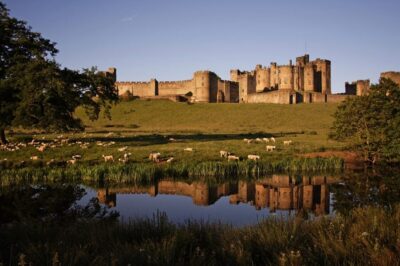 ★ 4.7Holy Island, Alnwick Castle & NorthumbriaFrom $851,313 reviews
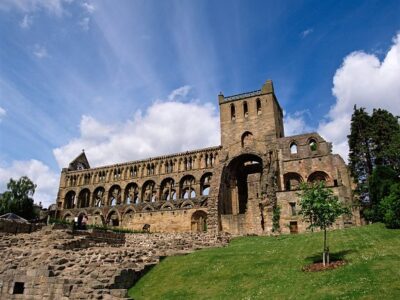 ★ 5.0Rosslyn Chapel and Hadrian’s Wall Small Group Tour from EdinburghFrom $123673 reviews
 ★ 5.0Hadrian’s Wall & The Borders Tour from Edinburgh Incl. AdmissionFrom $72607 reviews
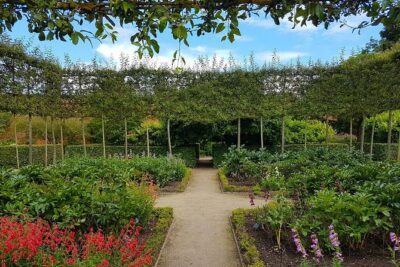 ★ 4.5Holy Island, Alnwick Castle & Kingdom of NorthumbriaFrom $87480 reviews
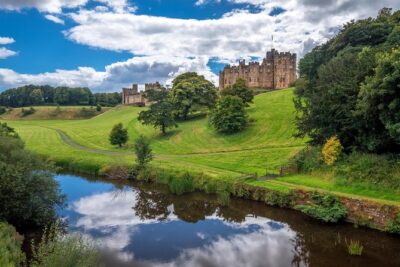 ★ 5.0Harry Potter’s Alnwick Castle and Scottish Borders Day TripFrom $88431 reviews
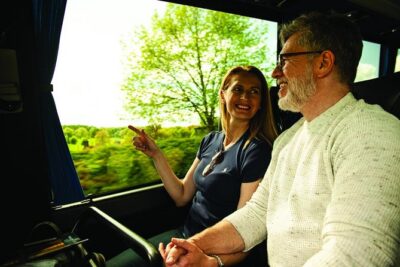 ★ 5.0Alnwick Castle, Northumberland and Borders Tour with AdmissionFrom $135299 reviews
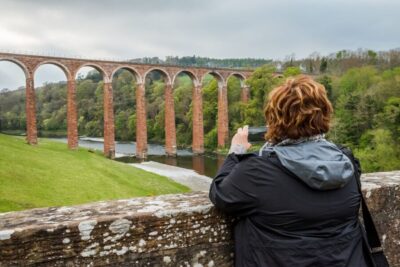 ★ 4.8Rosslyn Chapel and Hadrian’s Wall Small Group Day TourFrom $120289 reviews
 ★ 4.7Day Trip to Bamburgh and Alnwick CastleFrom $68212 reviews
Browse the lists this tour appears in