
Reviewed · EDINBURGH WHISKY TOURS & TASTINGS
Distillery Masterclass – 8 Scottish gins paired with cheeses
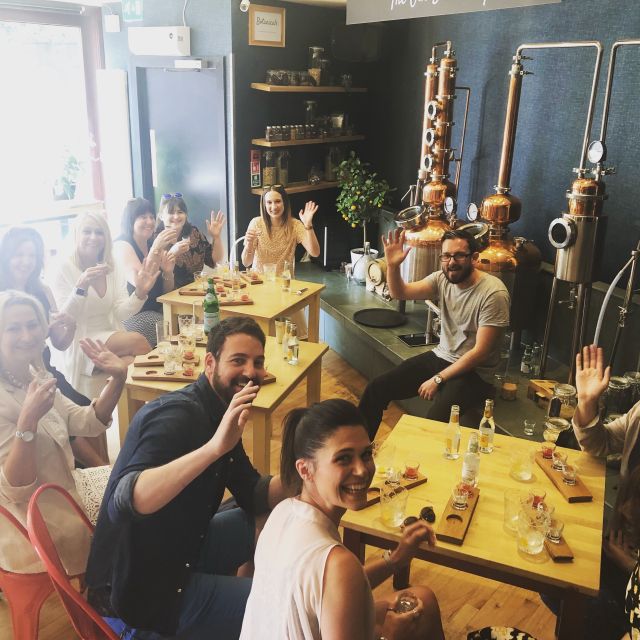
If you think gin is just gin, this will change that. This Edinburgh masterclass pairs eight small-batch Scottish gins with matching cheeses, all while you sit in Scotland’s oldest gin bar and watch a working distillery at the site.
I especially love how the tasting is taught, not just poured. You are guided through styles of Scottish gin, plus how pairing and mixers can shift the flavors in your glass. The other thing I like is the setting itself, 56 North, where you get the practical, hands-on feel of a real gin operation rather than a one-off tasting room.
One thing to consider: this session is not suitable for dairy intolerant guests, and it is strictly for ages 18+ (Challenge 25 applies).
Key things that make this masterclass fun and useful
- Eight gin samples in one guided session, so you learn what changes between styles quickly
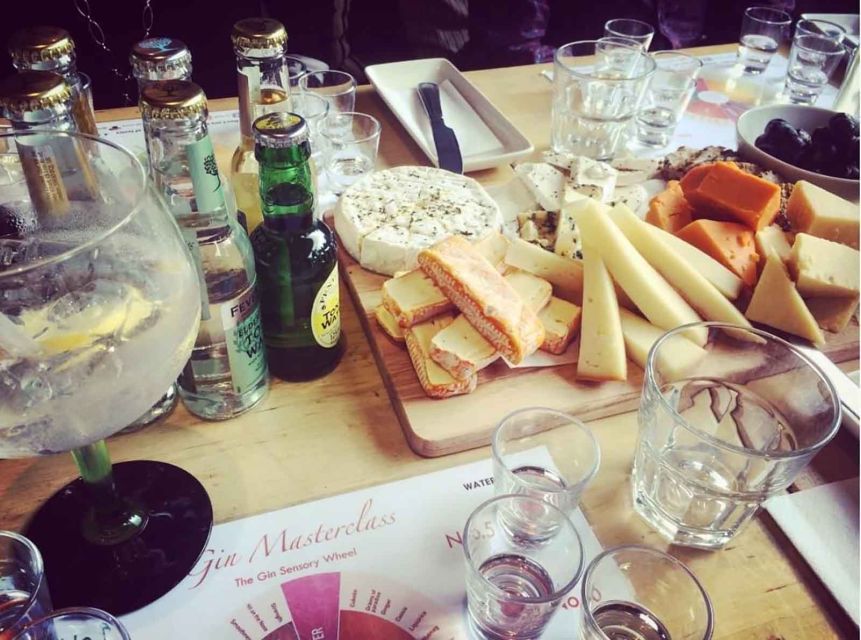
- Eight cheese pairings, helping you taste the gin with less guesswork
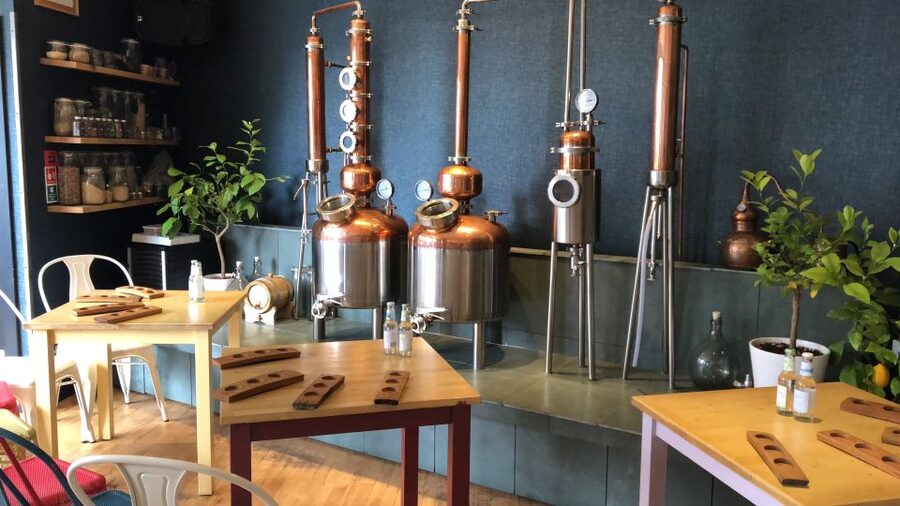
- Working distillery on site, so you can see production while learning about botanicals
- Mixer education, using options like Cushiedoo Tonic, Bon Accord Tonic, and Fever-Tree
- A senior Gin Gents host who can answer questions as you go
56 North Gin Bar and the working still you can actually see
The meeting point is 56 North, Scotland’s oldest gin bar, and that matters more than it sounds. You are not just paying for samples. You are stepping into a place built around gin culture, where the vibe is part museum, part workshop.
Right away, the working gin distillery on site gives the experience weight. Even if you are new to Scottish spirits, you can connect the talk to something real. When you later hear about Scottish botanicals and production approaches, you will already have a mental picture of how the operation works.
There is also a small advantage to starting in a gin bar that has been doing this for a long time. You feel the confidence in how the room is run. Staff know how to keep the pacing moving, so you can taste, learn, and ask questions without the session turning into a lecture.
You can also read our reviews of more tours and experiences in Edinburgh.



The 2-hour format: eight small-batch gins and eight cheese pairings
This masterclass runs about two hours. The core structure is simple: you sample eight Scottish gins, and each one comes with a cheese pairing. In practice, that makes the tasting easier to follow, because you always have something to anchor the next sip.
Here is the big practical idea behind the format: you are tasting gin in layers.
- First, you taste the gin on its own style level.
- Then, you test how the cheese changes what you notice.
- Finally, you learn how the right mixer can support those same flavors.
That is what makes this more valuable than a generic tasting where you just compare one spirit to the next. Cheese has fat, salt, and texture. Those elements can soften harsh edges, push aromas forward, or calm a strong botanical bite. Once you taste gin paired with cheese, you start understanding why pairing works at all, not just that it works.
The experience also aims to cover gin from across Scotland, not just one house style. You will be shown the idea that Scottish distillers take different routes, even when the base spirit is the same. That helps you avoid forming a one-track opinion like Scottish gin equals one specific flavor.
What you will learn about Scottish gin, beyond the basics
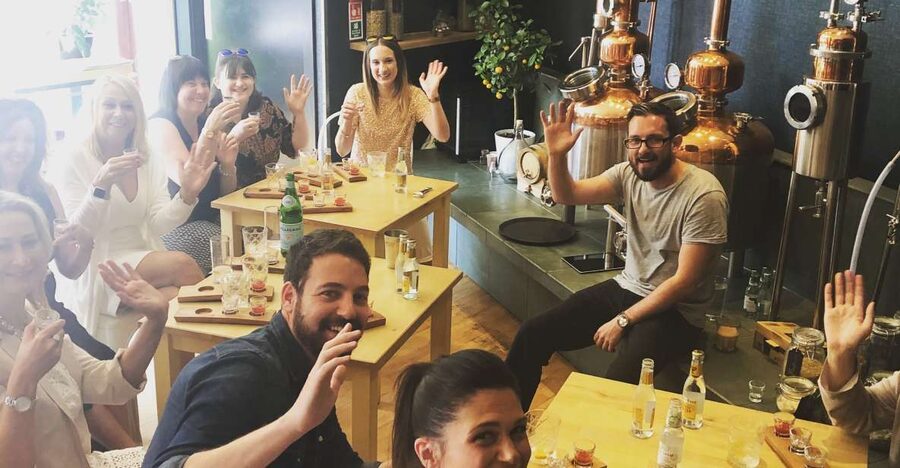
This class is designed to give you a firm grounding in Scottish gin and how best to enjoy it after the lesson. The talk covers Scottish gin facts, Scottish production, and Scottish botanicals, plus what makes the regional approaches different.
If you are the type who likes to order drinks with confidence, this is a big win. After the session, you should be better at answering questions like:
- Why does one gin feel more herbal while another tastes brighter?
- What kind of botanical notes should you look for when picking a gin in a bar?
- How can mixers change the character of the same bottle?
They also focus on premium mixers as part of the enjoyment equation. The tasting uses mixers such as Cushiedoo Tonic, Bon Accord Tonic, and Fever-Tree. That means you are not only learning the spirit. You are learning the “system” people actually drink it with.
And that leads to a very real takeaway. Many people try gin at home and wonder why it tastes different than what they remember from a bar. A lot of that comes down to the mixer and how it interacts with botanicals. Here, you get to see that interaction in a controlled way, eight times.
How the cheese pairing changes what you taste
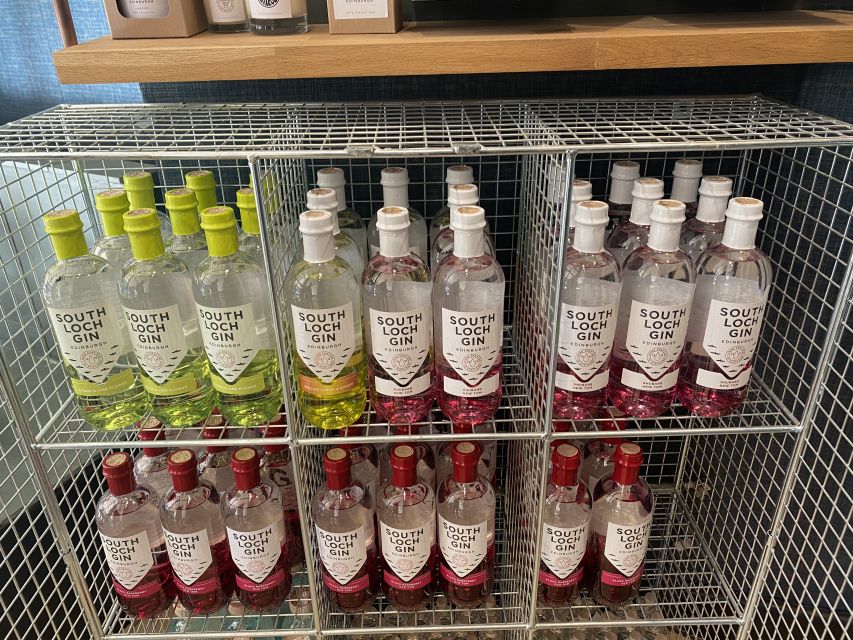
I like that the cheese is not treated like an afterthought. Each gin gets its own cheese pairing, which forces you to pay attention to the pairing logic.
Cheese works because it can amplify or correct gin traits:
- A salty cheese can make citrus or spice notes feel sharper.
- A creamy cheese can round off a more assertive botanical profile.
- A firmer or stronger cheese can stand up to darker, more intense gin styles.
Even if you do not know cheese terminology, you will feel the difference quickly. The goal is to help you build a pairing instinct. By the time you finish, you should be able to think: if I liked gin X with cheese Y, what kind of cheese might work with gin Z?
Also, because the cheeses are part of the tasting plan, you avoid the awkward situation where you are just eating while the host talks. You have a reason to take each bite at the right moment.
One note: this class is not suitable for dairy intolerant guests. If dairy is an issue for you, you should skip it. There is no mention of dairy-free alternatives, and the format depends on cheese pairings for the learning.
The mixer lesson: tonic brands and flavor control
A lot of gin tasting advice ends at “try it with tonic.” This masterclass goes one step further, because it specifically uses mixer options like Cushiedoo Tonic, Bon Accord Tonic, and Fever-Tree Mixers.
Why does that matter? Because tonic is not one flavor. Different tonics can bring different levels of bitterness, sweetness, and citrusy lift. Those differences can either highlight a gin’s best traits or cover them up.
As you taste, you are essentially learning how to control the outcome:
- If a gin feels too intense on its own, the right tonic may make it feel balanced.
- If a gin feels flat, a different mixer might bring out more aroma.
- If a gin is already bright, you may need a tonic that does not overpower it.
This is practical knowledge you can use the same day. If you leave thinking about how you want your next gin and tonic to taste, that is a win. It also helps when you order at bars in Scotland, because you will understand that “tonic” is not a single ingredient with a single result.



The host and the pace: learning you can ask questions about
This experience is hosted by one of the senior Gin Gents team. That phrasing matters because it suggests a more seasoned guide, not someone reading a script and moving on.
In a good tasting, you learn most from the parts where you can ask questions. You should be able to ask about Scottish botanicals, production approaches, or why a pairing worked the way it did. A host who knows the subject can connect your palate experience to the explanation, and that is what helps the learning stick.
The class also moves at a comfortable pace for a two-hour window. You sample eight gins and eat eight pairings, which means you will be focused the entire time. This is not a long sit-and-sip experience where you lose the thread.
One practical consideration for you: this is strictly over 18, with Challenge 25 ID in operation. Bring your passport or ID card so you do not run into last-minute issues.
Price and value: what $37 buys you in real tasting time
At about $37 per person for a two-hour session, you are not just buying drink samples. You are buying structure, guidance, and a pairing plan.
Here is the value logic I use for experiences like this:
- Eight tastings is a lot of “data points” in a short time.
- Eight cheese pairings give context, not just extra food.
- The working distillery adds meaning to the story behind the gin.
- The mixer component teaches how you should drink the spirit, not just what it is.
If you were to do this on your own, you would likely spend a similar amount, then still miss half the learning because you would not have a guided pairing sequence. You might also end up with a mismatch between gin and cheese styles, which reduces the educational impact.
So the price feels fair because it is geared for learning and repeatable outcomes. You are leaving with a better sense of what Scottish gin tastes like across styles, plus ideas for pairing and mixing when you are back in your travels.
Who this Edinburgh gin masterclass suits best
This is a strong fit if you:
- Like guided tasting, and you want an organized way to try multiple Scottish gins
- Enjoy food pairing concepts, and you want pairing explained through what you taste
- Want to understand Scottish gin beyond the marketing labels
- Plan to order gin in pubs and bars later, and you want more confident choices
It is also a good option if you are the type who learns by doing. Seeing the working distillery while you get the background makes the “why” feel more real.
It might not be the best fit if:
- You need a dairy-free experience, since cheese pairings are essential and it is not suitable for dairy intolerant guests
- You cannot participate if you are pregnant, since it is listed as not suitable for pregnant women
- You require wheelchair access, because there is no disabled access for wheelchair users due to stairs
Practical tips before you go
A few simple things will help you get more out of the two hours.
First, plan to arrive on time at 56 North. This kind of guided session runs as a sequence, and you do not want to be late when the first gin and cheese pairing kicks off.
Second, bring ID. The experience is strictly for ages over 18, and Challenge 25 is used. Having your passport or ID card ready keeps the start smooth.
Third, come with curiosity, not a checklist. You might not know the differences between gin styles today, but the pairing and the host’s explanations are designed to help you notice those differences quickly.
Finally, think about your post-class plan. If you are going to try gin later in Edinburgh, pay attention to what the session taught you about mixing and pairing. You will taste more, and you will waste less money on drinks you do not like.
Should you book the Distillery Masterclass?
Yes, I think you should book this masterclass if you want a guided, structured way to taste Scottish gin across styles in a place that actually produces gin. The combination of eight small-batch gins, eight cheese pairings, and a working distillery on site makes it more than a simple tasting.
Skip it if you need dairy-free options, if you are not able to join an adult-only, 18+ session, or if stairs and mobility issues are part of your needs.
If you are a gin fan, or you are even slightly gin-curious, this is one of the more practical ways to learn, because you do not just sample, you also learn how to drink gin with the right pairing and mixers afterward.
More Tour Reviews in Edinburgh
Not for you? Here's more nearby things to do in Edinburgh we have reviewed









Edinburgh Whisky Tours & Tastings, compared.
 ★ 4.7The Scotch Whisky Experience Tour and TastingFrom $335,213 reviews
 ★ 4.6Underground Vaults Evening Ghost Tour with WhiskyFrom $392,542 reviews
 ★ 4.9Whisky Tasting with History and StorytellingFrom $242,451 reviews
 ★ 4.8The Johnnie Walker Whisky ExperienceFrom $401,670 reviews
 ★ 4.5The Scotch Whisky Experience Guided Whisky Tour – An Introduction to WhiskyFrom $351,578 reviews
 ★ 5.0Edinburgh Food Tour with Scotch, Haggis, a Secret Dish & MoreFrom $1341,172 reviews
 ★ 5.0Scotch Whisky Tasting & Stories — Bespoke Whisky LoungeFrom $24972 reviews
 ★ 5.0Highland Lochs, Glens & Whisky Day Tour Including AdmissionFrom $80641 reviews
Browse the lists this tour appears in